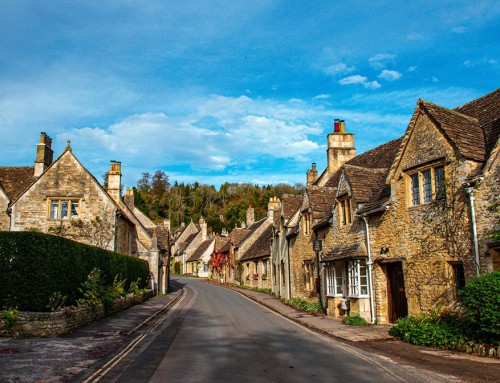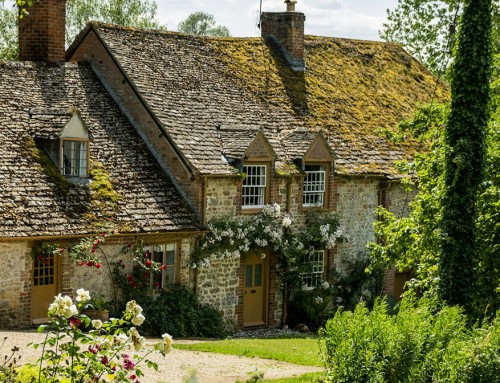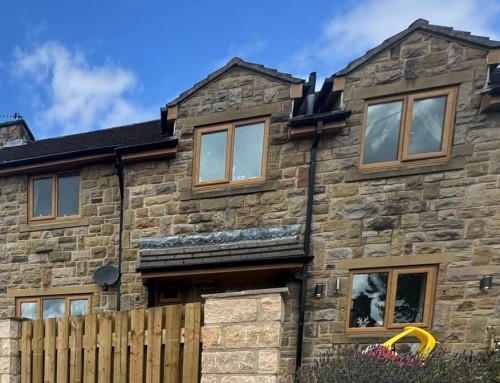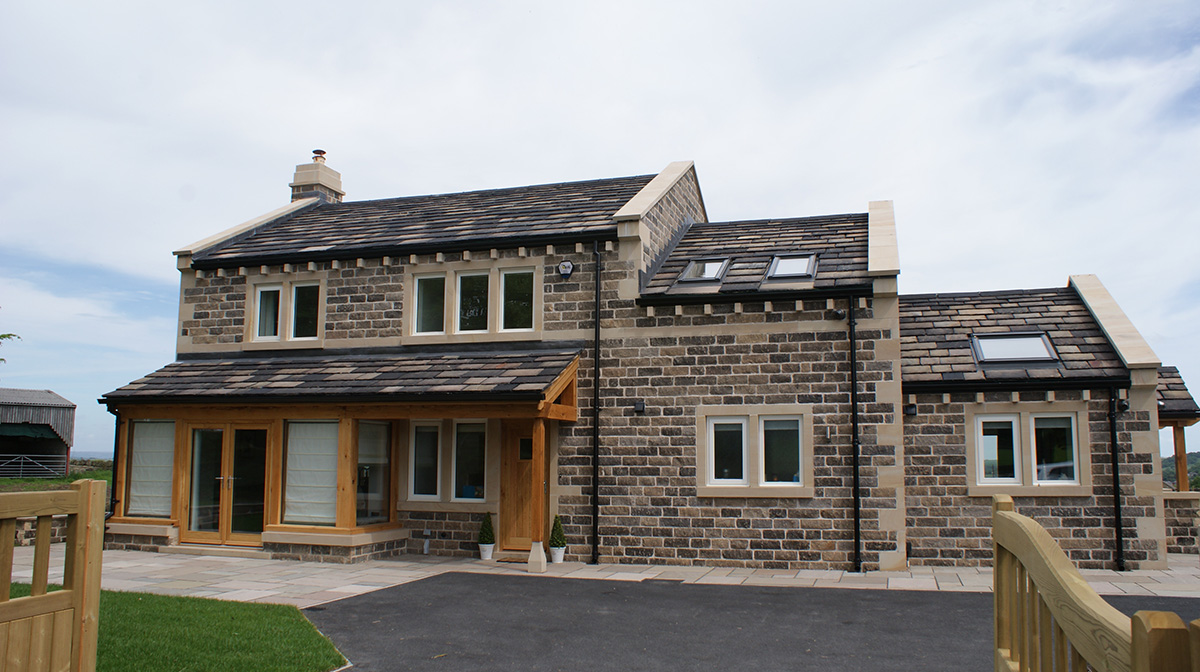
Natural stone has a singular ability to make a property feel settled, characterful, and intimately connected to its landscape. However, creating a cohesive scheme across roofing, paving, and walling involves more than choosing identical colours. The most successful projects will take into account factors such as complementary tones, balanced contrast, and consistent texture to create a considered finish from roofline to garden boundary.
Truestone offers natural stone roofing, paving and walling products designed to work together, giving everyone from homeowners to developers to landscapers plenty of scope to build a coordinated palette for their property. This blog post is a guide to the main factors to consider when matching stone roofing, paving, and walling shades.
The roof is the anchor
The roof is likely to be the largest and most visually prominent stone surface on a property, so it makes sense that it should guide the rest of the colour scheme. Truestone’s roofing range includes Yorkshire-style natural stone roof slates in 18mm and 22mm options, such as Cotswold-style stone roof slates, reclaimed Yorkshire stone roof slates, and reclaimed Cotswold-style options.
A Yorkshire-style roof often creates a strong, traditional foundation for a scheme, particularly when paired with natural or gently weathered walling. A Cotswold-style roof, meanwhile, can lend itself to warmer, lighter landscaping tones. Reclaimed roofing is especially useful where the goal is to create an established appearance or to blend sensitively with an older property.
Rather than trying to match paving and walling exactly to the roof, identify its dominant undertones. For example, does it read as warm buff, soft grey, dark charcoal, or mixed natural stone? Using that as your starting point will help choose materials that sit comfortably alongside it.
Walling can bridge house and garden
Walling is the ideal material for linking the architecture of the home to features such as patios, paths and planting areas. Truestone’s natural stone walling is available in Natural, Light Dyed, Medium Dyed and Heavy Dyed shades, as well as several pre-mixed blends.
For a light, relaxed scheme, Natural walling can work well with Yorkshire Buff paving or a softer roof tone. Light Dyed walling adds a slightly weathered character, making it a good partner for traditional roofs and rustic paving finishes. Medium Dyed walling is best suited to classic properties, while Heavy Dyed walling can provide dramatic contrast against pale render, lighter paving or contemporary glazing.
Blended walling is worth considering when several stone surfaces need to work together. The Dunford Blend combines Natural, Light Dyed, Medium Dyed and Heavy Dyed shades for a varied finish, while Heathfield Blend offers a brighter mix. Newsham Blend combines Natural and Medium Dyed tones, and Millthorpe Blend pairs Light Dyed with Heavy Dyed stone for stronger contrast.
Paving can help set the mood
Paving has a major impact on how an outdoor space feels because it is viewed close-up and can often cover large areas of a property. Truestone’s natural stone paving range includes Raj Green, Autumn Brown, Kota Black, Kandla Grey, Yorkshire Buff and Raveena.
When choosing a traditional, blended palette, Raj Green is a versatile choice. Its mix of greys, greens and browns can complement both natural and dyed walling, and work well with Yorkshire-style roofing. By contrast, Yorkshire Buff paving is ideal for warmer, softer schemes and can be paired with Natural or Light Dyed walling for a welcoming finish.
Kandla Grey paving offers a more contemporary look, thanks to its restrained grey-blue tones that sit well with darker roofing and Medium or Heavy Dyed walling. Kota Black can create a bold, modern base, particularly when balanced by lighter walling or planting. Raveena, with its purple, grey and buff tones, is a great option for a feature-led choice alongside more neutral walling.
Balance coordination with contrast
A consistent and complementary stone scheme does not need every surface to be the same shade. In fact, there is a risk that too much matching can make a project appear flat. A good approach is to aim for one dominant tone, one supporting tone, and a subtle contrast. For example, a darker roof, mid-toned blended walling, and lighter paving can create depth without looking disjointed.
It’s important to always view samples together outdoors, as natural stone changes in appearance in sunlight, shade and wet weather, and individual pieces will vary. By selecting complementary undertones rather than exact matches, you can create a natural stone scheme that feels harmonious, timeless and tailored to the property.
At Truestone, we have an expert team that is experienced in pairing natural stone roofing, paving, and walling shades. Contact us to find out more.