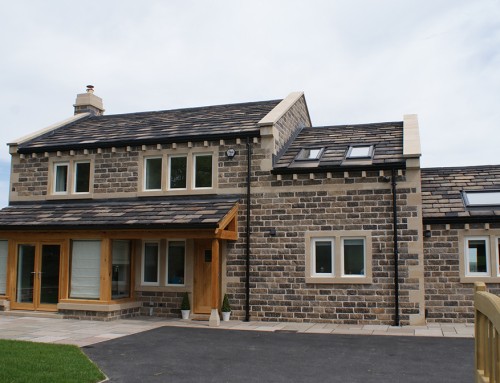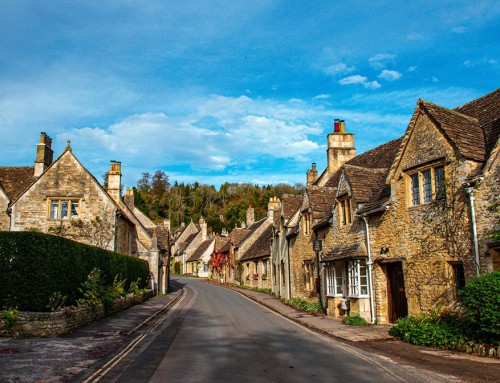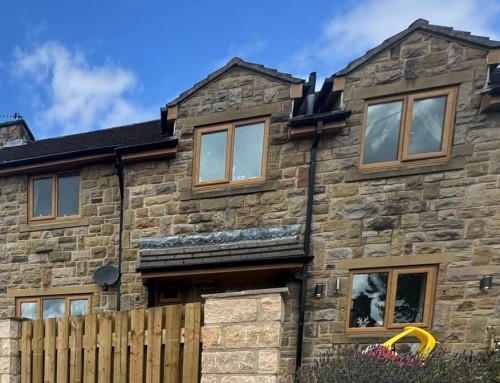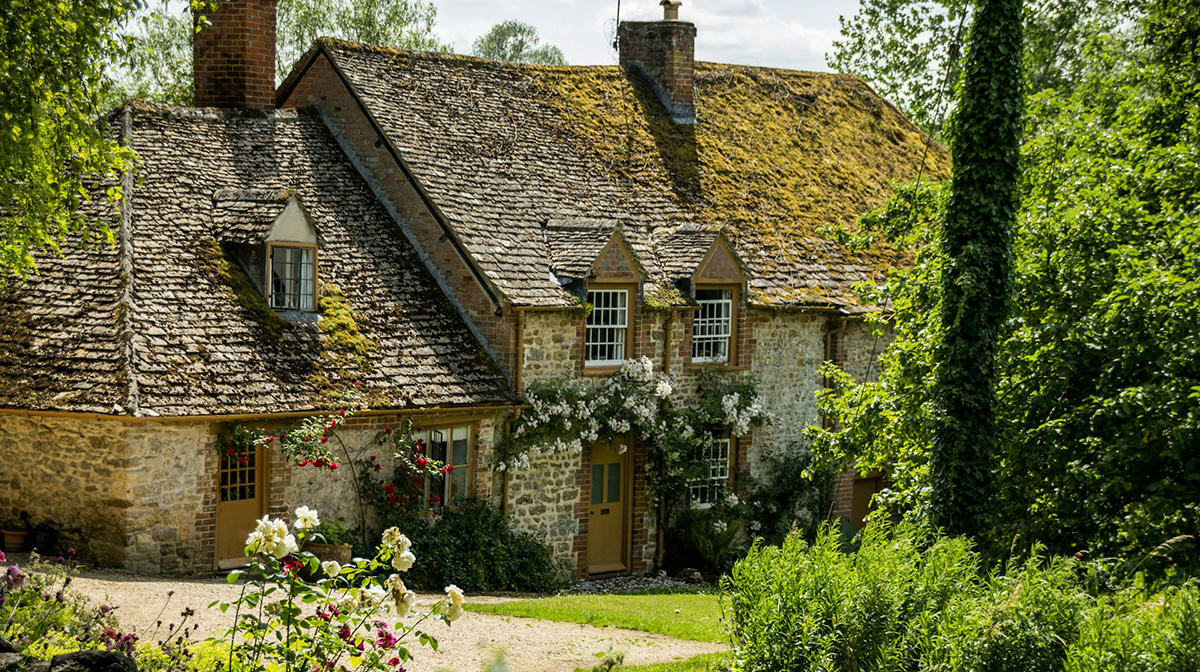
Cotswold stone roofing is one of the most recognisable features of traditional English countryside architecture. Whether it’s on a honey-coloured cottages, historic manor house, or rural barn, a stone roof has helped shape the distinctive character of the Cotswold region for centuries. With their warm tones, varied textures, and weathered appearance, they create a sense of permanence that is difficult to replicate with modern roofing materials.
The origins of Cotswold stone as a roofing material are defined by the region’s geology. The Cotswolds sit on a broad band of Jurassic limestone, formed over millions of years when much of Britain was covered by warm, shallow seas. Over time, layer upon layer of sediment compacted and hardened into limestone, creating the stone that would later become central to the area’s building traditions.
A material shaped by the landscape
For generations, local builders relied on materials that were readily available. In the Cotswolds, limestone was abundant and could be quarried close to villages and towns. In fact, it was used for walls, bridges and boundary markers, not just roofing. This practical use of locally sourced stone helped create a consistent architectural style across the region.
Traditional Cotswold stone roofing typically used thin limestone slates, often known as Stonesfield Slate. These were split by hand from larger pieces of limestone and laid in diminishing courses. Larger slates would be positioned near the eaves and smaller ones placed towards the ridge. This technique helped manage the considerable weight of the stone while creating a roofline with a natural and layered appearance.
The rise of Cotswold stone slate roofs
Before the modern era of mass-produced roofing materials, stone was often the most durable and practical option for properties in the Cotswolds. While thatched roofs were common in some areas, stone offered better resistance to and protection from fire, wind, and long-term weather exposure. As a result, Cotswold stone became particularly popular when roofing substantial homes, farm buildings, churches, and public structures.
Stone slate roofs were built to last; when installed correctly, they could remain in place for generations, repairing or replacing individual slates as needed. Thanks to their durability, they were a sensible investment for rural communities, especially where transporting materials from elsewhere could be difficult and expensive.
Craftsmanship and traditional techniques
Installing a stone roof required specialist knowledge. Roof structures had to be designed to carry the weight of the limestone, while roofers needed the skill to select, shape and lay each slate correctly. Slates were often secured with wooden pegs or nails, depending on the period and common local traditions and preferences.
Traditional roofers learned how to arrange the varying thicknesses and sizes of stone. Rather than focusing on producing a perfectly uniform finish, the aim was to create a roof that shed water effectively, while retaining the natural character of the material. This craftsmanship remains an important part of conservation work today.
A lasting architectural legacy
Although modern alternatives are now widely available, Cotswold stone roofing remains closely associated with heritage properties and protected landscapes, and continues to be valued for its beauty, longevity and connection to local history.
When restoring a period property or designing a building that respects its surroundings, Cotswold stone can be more than a roofing material. It represents a long-standing tradition of using local resources, skilled craftsmanship, and natural materials to create buildings that belong to the landscape around them.
ruestone’s range of natural stone roofing includes an affordable alternative to traditional Cotswold stone roofing. Contact us to find out more.
Photo by Hugo Kruip on Unsplash