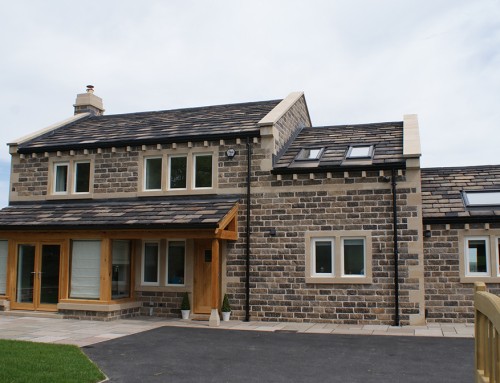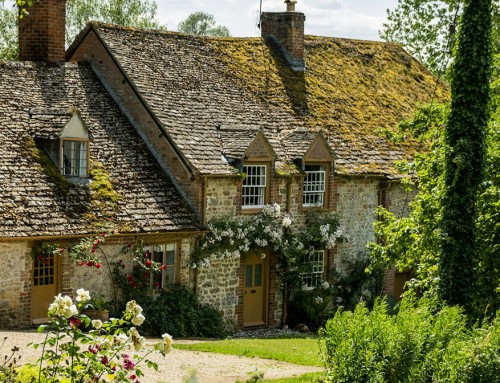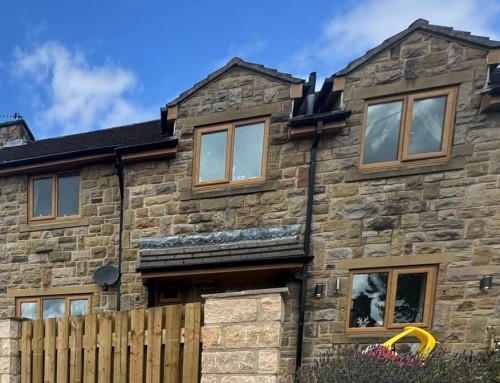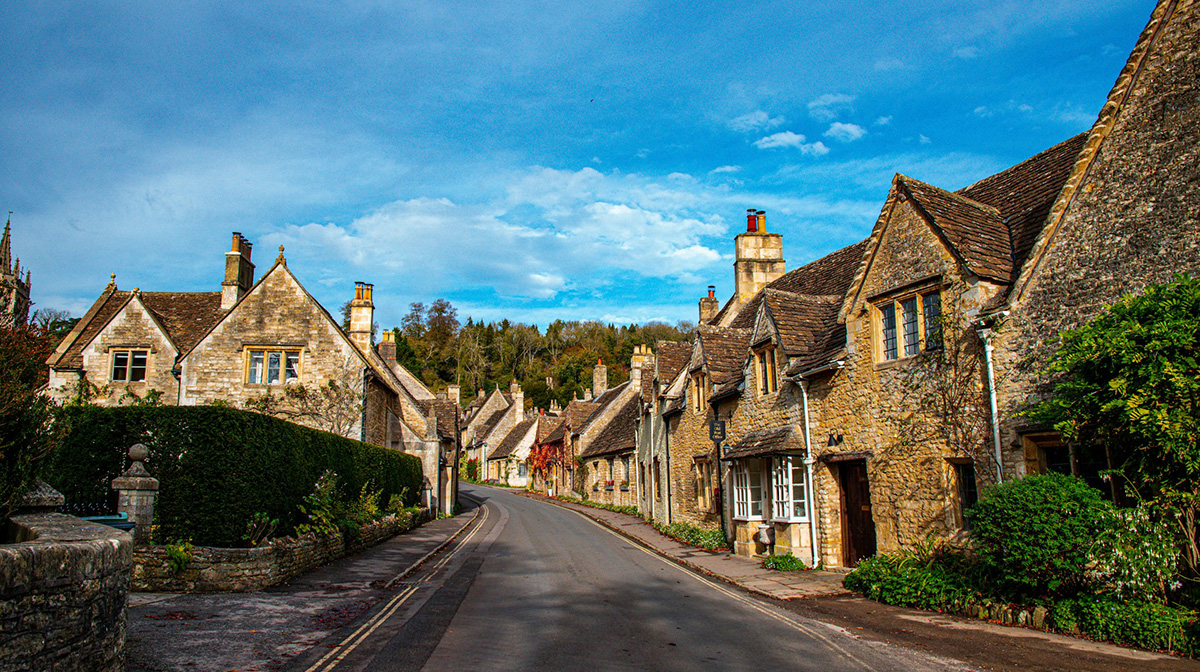
Stone roofs are a defining feature of many countryside homes in the UK, from farm buildings to heritage-style developments. Their natural texture, muted colour variation and long-lasting performance make them especially well-suited to rural properties, where the building is often expected to sit comfortably within the surrounding landscape.
Traditional Cotswold stone remains highly desirable thanks to its many advantages, but Indian stone roofing can offer a practical alternative for homeowners and developers seeking a similar characterful finish.
Cotswold stone roofing is renowned for its warm honey tones, irregular profile, and historic association with the English countryside. However, genuine local stone can be costly, difficult to source in consistent quantities, and maybe be subject to planning and conservation considerations. By contrast, Indian stone roofing gives rural properties another option, as it can give the appearance of natural stone while helping to manage material availability and project budgets.
Natural fit for countryside architecture
Many rural properties benefit visually from roofing materials that avoid a uniform, manufactured appearance. Indian stone slates often feature subtle differences in colour, thickness, and surface texture, helping roofs develop a varied and authentic-looking finish.
These natural characteristics can work particularly well on projects such as cottages, barn conversions, country homes, and agricultural buildings, as well as new-build properties designed to reflect local architectural traditions.
When selected in suitable tones, Indian stone can complement stone walls, timber cladding, brickwork, and traditional landscaping. Buff, brown, grey, and weathered shades can help create a roof that feels established rather than newly installed.
This is especially important in countryside settings, where buildings are often highly visible from footpaths, lanes, and open fields, meaning that a suitable and sympathetic visual appearance is essential.
A practical alternative to local stone
The enduring appeal of Cotswold stone roofing is widely acknowledged, but its use may not always be practical. Various factors, including quarry availability, transport costs, and the specialist nature of traditional stone slate installation, can impact the overall price and viability of a project. Indian stone roofing allows for a more accessible alternative where the goal is to achieve a natural stone appearance without needing to rely exclusively on locally quarried materials.
Where rural properties are undergoing renovation, this alternative can be particularly useful. A homeowner may need to replace an ageing roof while preserving the property’s character, but may not have the budget or supply options required for original Cotswold stone. Indian stone is an option that can help bridge that gap while offering a durable, visually sympathetic material for appropriate projects.
Durable and long-term appeal
Natural stone roofing is highly valued for its strength and longevity. Quality Indian stone slates can perform equally well in changing weather conditions when they are correctly specified and installed. Unlike some lightweight roofing products, stone does not rely on a painted surface or manufactured coating to achieve its appearance. Its colour and texture are inherent to the material.
Stone roofs require careful planning, however. Indian stone can be heavy, so it is important to determine if the roof structure is capable of carrying the load. Factors like roof pitch, fixing system, battens, and underlay should also be considered by an experienced roofing contractor before any decision is made. Taking all these details into account is essential for achieving a roof that is both attractive and weatherproof.
Planning for rural and heritage locations
Before choosing Indian stone roofing, owners of rural properties should check local planning requirements. In conservation areas, National Landscapes, or listed buildings, local planning or heritage authorities may require specific materials, colours or slate types. In some instances, genuine Cotswold stone may be necessary to maintain the historic character of a property.
Where Indian stone is permitted, it can provide a thoughtful alternative to Cotswold stone roofing. With the right slate selection and skilled installation, and by paying attention to local character, it can help create a durable roof that suits the countryside setting while offering greater flexibility in cost and supply.
Truestone’s range of Indian stone roofing is an affordable alternative to traditional Cotswold roofing. Contact us to find out more.
Photo by George Ciobra on Unsplash